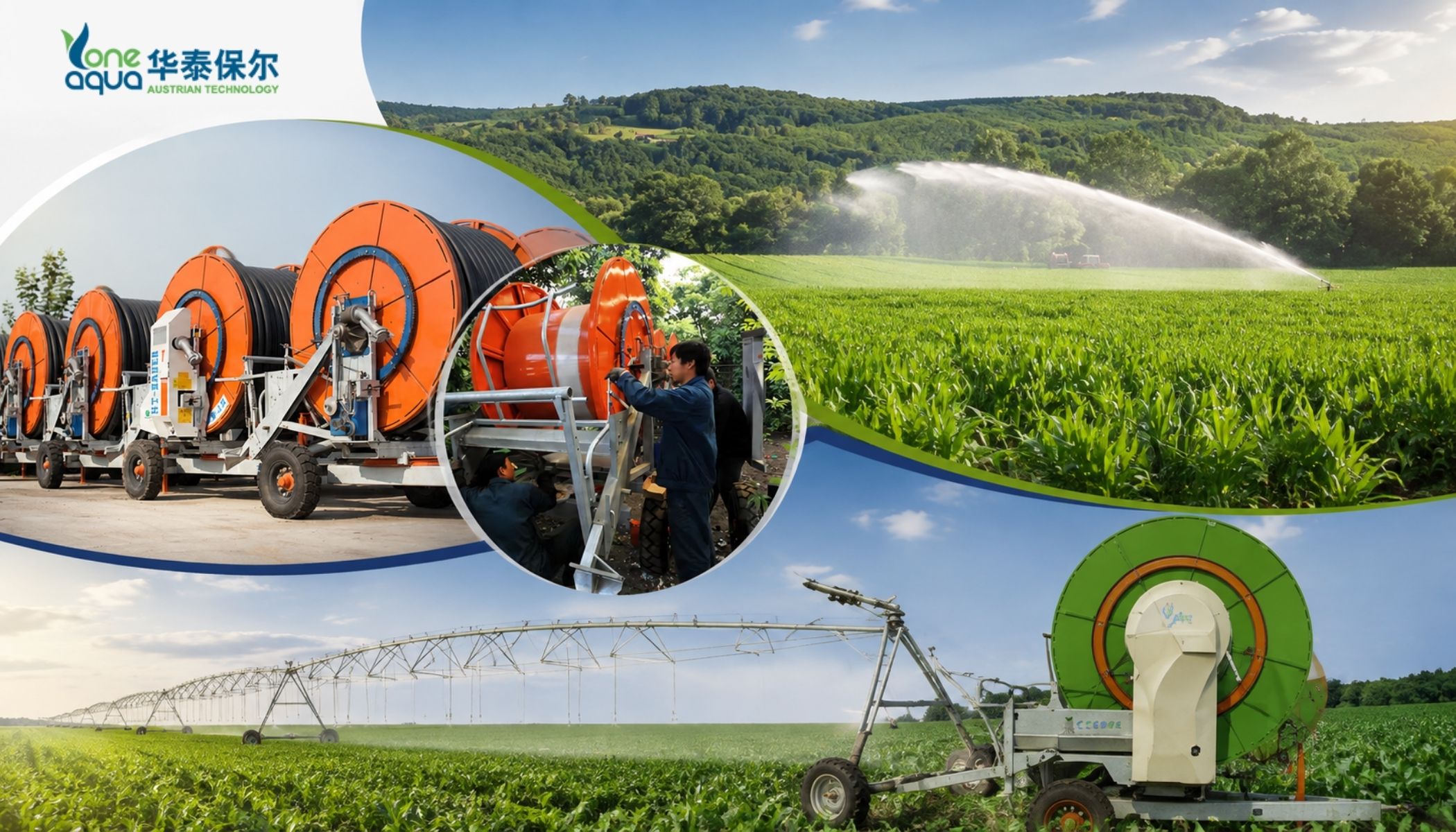
Improving Seasonal Irrigation Planning With an Aquaspin Center Pivot Irrigation System
A good irrigation plan changes with the season. Crop growth, rainfall, soil moisture and water availability can all shift within a few weeks, making flexibility just as important as coverage. An Aquaspin center pivot irrigation system can give large farms a practical way to organise watering around these changing conditions.
The challenge is not always getting water to the field. It is knowing when to irrigate, how much water is needed and how to keep the system running without creating unnecessary work.
With the right planning, irrigation becomes part of the wider farm routine instead of a task that has to be figured out from scratch every few days.
Start With the Crop Calendar
Seasonal irrigation planning should begin before the equipment is switched on. Different crops have different water requirements, and those needs can change considerably as plants move from one growth stage to another.
A crop may need relatively modest watering during its early development but require more consistent moisture during flowering or grain formation. Applying the same amount of water throughout the season can therefore be wasteful.
A simple crop calendar can help farmers keep track of:
- Planting dates
- Expected growth stages
- Periods of higher water demand
- Likely rainfall periods
- Harvest timing
This gives the irrigation schedule some structure while leaving room for adjustments when weather conditions change.
Watch What Is Happening in the Soil
A calendar alone cannot tell the whole story. Two fields planted on the same day may have very different moisture levels because of soil type, rainfall or local conditions.
Checking soil moisture before starting another irrigation cycle can prevent unnecessary watering. It can also help identify areas that are drying faster than expected.
For larger farms, this becomes easier when monitoring technology is included in the irrigation setup. HT Bauer's remote-control technology can incorporate soil and environmental information to support more informed irrigation decisions.
Why This Matters During Dry Spells
Dry weather does not always mean every part of a field needs exactly the same treatment. Soil characteristics and crop development still matter.
A farmer who checks actual field conditions has a better basis for deciding whether to increase irrigation, maintain the existing schedule or wait for expected rainfall.
Make Large-Scale Irrigation Easier to Manage
Large farms can quickly become difficult to irrigate manually. Moving equipment, checking coverage and keeping track of separate field areas can consume a surprising amount of time.
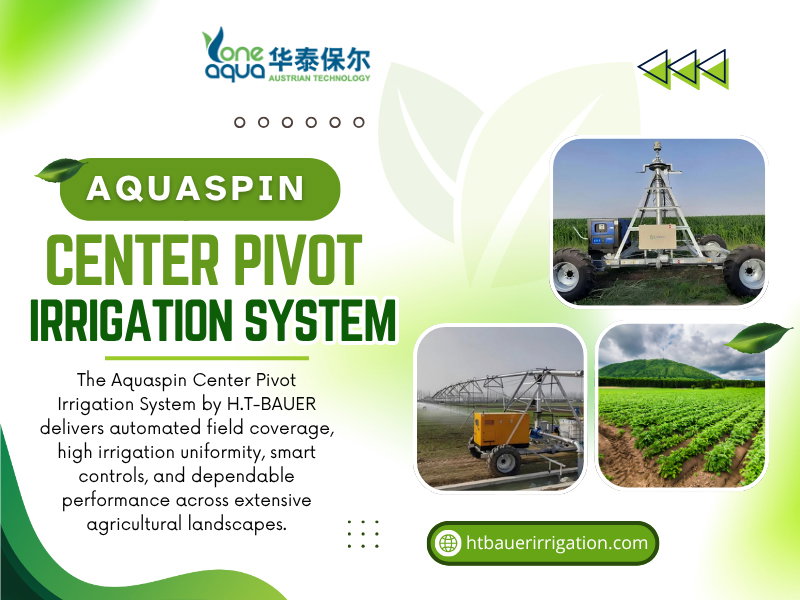
A commercial center pivot irrigator approaches the problem differently. The system moves around a central point, allowing one installation to cover a substantial circular area.
The Aquaspin system is designed for large farms and can cover circles with diameters of up to 1,800 metres, depending on configuration. Its design can also accommodate slopes of up to 15%.
That kind of coverage can simplify seasonal planning because irrigation does not have to be treated as a collection of small, disconnected jobs.
Adjust Irrigation as the Season Changes
A common mistake is creating an irrigation schedule at the beginning of the season and then following it without reconsidering field conditions.
Weather rarely behaves that neatly.
Rainfall may arrive earlier than expected. A heatwave may increase crop water demand. A cooler period may slow evaporation. These changes can all affect when the next irrigation cycle is actually needed.
A practical seasonal plan should therefore include regular reviews.
A Useful Weekly Check
Farm managers can look at:
- Recent rainfall
- Soil moisture
- Crop appearance
- Weather forecasts
- Water availability
- Previous irrigation cycles
Even a short review can prevent an outdated schedule from continuing simply because it was programmed weeks earlier.
Build Reliability Into the Plan
Seasonal planning is also about making sure the equipment itself is ready when the field needs it.
A heavy duty pivot irrigation for farms setup is expected to deal with repeated movement, outdoor exposure and demanding operating conditions. Strong structural components and appropriate maintenance can help reduce avoidable interruptions during important crop stages.
Before a busy irrigation period begins, it makes sense to check:
- Wheel and drive components
- Sprinklers and nozzles
- Electrical connections
- Water pressure
- Tower alignment
- Visible leaks or damaged hoses
Finding a small problem during a routine inspection is far better than discovering it when a crop is already under water stress.
Use Automation for Routine Tasks
There is little value in making irrigation planning highly detailed if someone still has to carry out every adjustment manually.
Automation can take some of that pressure away. Automatic circle irrigation equipment can follow programmed operating patterns, allowing routine irrigation to happen with less day-to-day intervention.
That can be particularly useful during planting and harvesting periods, when farm teams already have plenty of competing jobs.
Automation does not remove the need for human judgement. Instead, it gives farmers more time to make decisions that actually require attention.
Smarter Controls Can Support Better Decisions
Modern irrigation technology can also provide more visibility into what the equipment is doing.
A smart control center pivot system can give operators greater control over functions such as movement, operating speed and irrigation management. Aquaspin's remote-control options also include features such as start-stop operation, speed adjustment, water-pressure monitoring, position detection and fault alerts.
For a large farm, having this information available can make a difference. An operator does not necessarily need to travel across the field just to find out whether the system is operating normally.
Plan for the Water Supply, Not Just the Machine
An irrigation system can only perform properly when the water source and delivery infrastructure are suitable.
Before the season starts, farmers should consider:
- Available water volume
- Pump capacity
- Operating pressure
- Filtration requirements
- Pipe condition
- Electricity or other power sources
This is especially important when irrigation demand increases during hot periods. Planning the water supply alongside the machine helps prevent a situation where the equipment is ready to run but the available infrastructure cannot support it.
Leave Room for Real-World Conditions
The best irrigation plan is rarely the most rigid one.
Weather can change overnight, machinery can break down, and crop conditions may not match the original forecast. A sensible plan leaves enough flexibility to make adjustments without disrupting the entire season.
HT Bauer's Aquaspin system is designed for large agricultural applications and can be configured for different terrain, soil and climate requirements.
That flexibility is useful because seasonal irrigation is ultimately about responding to what is happening in the field, not simply following a preset timetable.
Final Thoughts
Seasonal irrigation works better when equipment, field conditions and crop requirements are considered together. A reliable Aquaspin center pivot irrigation system can make large-scale watering easier to organise while giving farmers greater control over changing irrigation needs.
A little planning before and during the growing season can go a long way. When farmers combine regular field checks, dependable equipment and sensible automation, irrigation becomes a more manageable part of the farming routine rather than a constant source of uncertainty.
Checkout our website to get more information related to Aqualine Linear Sprinkler Irrigation System.
Related Links:
https://campsite.bio/htbauerirrigation
https://lit.link/en/htbauerirrigation
https://mez.ink/htbauerirrigation
https://htbauerirrigation.jimdofree.com/
https://htbauerirrigation.medium.com/
Related Tags:
#HTBauer
#AqualineLinearSprinklerIrrigationSystem
#AquaspinCenterPivotIrrigationSystem
#CommercialAgriculturalIrrigationSystems
#HeavyDutyPivotIrrigationForFarms
#HighClearanceLinearIrrigato